A solid product marketing strategy can significantly impact a product’s success in the market. It combines customer insights, product features, and clear messaging to create a compelling narrative around a product. This approach enhances product positioning and ensures that the marketing team aligns its efforts with the overall business objectives.
At its core, the strategy should start with thorough market research. Knowing your target audience’s preferences and pain points enables precise positioning and helps inform your product marketing strategy. Identifying key segments in the product market allows marketers to craft tailored messaging that resonates.
At GOA-TECH, we believe every good product has a spirit, a reason it came to be. When you bring something new into the world (an app, a clothing line, or a wellness remedy), it deserves to be shared with care. But how you share it matters. The right campaign message, the right path, and the right people can make all the difference.
Today, people don’t just buy things. They seek meaning. They look for stories they can believe in and experiences they can feel. That’s where proper product marketing begins. We’re not here to overwhelm you with jargon. We’re here to guide you.
This guide contains 10 clear and time-tested strategies used behind some of the strongest product journeys out there. These are not quick tricks. They are rooted in understanding, connection, and action. When the message is right, people will feel it. And when people feel it, they’ll walk with you.
 1. Start With Deep Market Research (Not A Gut Feeling)
Do the homework before even thinking about product features or price. Market research tells you what your customers really want, not necessarily what you think they want.
This is where product marketers become involved in information gathering, interviewing potential users, surveying, and analyzing trends. A good knowledge of the product starts with learning about its audience. That entails learning about pain points, current solutions, gaps in the market, and opportunity areas in innovation.
Why it matters: Omitting this step is like building a house without a plan. Product marketing’s impact starts here, with smart decision-making and clarity about where your product stands in the market.
2. Craft A Clear, Compelling Product Positioning Statement
What differentiates your particular product? Why should your audience be interested?
A solid product positioning strategy tells what the product does, who it’s for, and why it’s superior. This isn’t fluff—it’s essential messaging that informs your marketing communications, sales approach, and user experience.
Consider: Is your product the fastest, easiest, cheapest, or most ethical? Your marketing and product management are supposed to be all about that fact.
3. Get The Product Team And Marketing Team Aligned Early
Product marketers and managers speak different languages, but they must get together early and often.
Why? Because marketing is not something you bolt on later, after development. Instead, it must be built into the product roadmap upfront. This is one of those make-or-break phases of product marketing where alignment drives innovation and clarity.
A coordinated strategy means:
- Synced product launch dates
- Consistent branding messaging across promotions
- Seamless transitions between product development and promotion
4. MVP prioritization
MVP (Minimum Viable Product) isn’t skimping—it’s doing things fast while staying agile.
When creating a minimum viable product, you’re getting feedback on assumptions and learning on the early road. This way, the product team can develop based on actual use instead of hearsay. Sound product marketing supports this by transforming feedback into effective next steps.
Bonus: MVPs allow you to accelerate product adoption and avoid spending money on features no one wants.
5. Create Messaging That Brings The Product To Life
Here, we get to be creative.
The best marketing efforts are those with touching stories. Your messaging needs to reflect the problem you’re addressing and the alteration your product enables. This holds especially true with digital and social media marketing, where attention can easily disappear and competitors abound.
GOA-TECH creates brief, conversational, and impactful messaging—so the people you are trying to communicate with care.
6. Educate Through Content Marketing
Want to promote your product in a way that doesn’t feel like promotion? Meet content.
Content marketing is your opportunity to establish authority, drive leads, and support the product life cycle. Consider blog posts, how-to videos, case studies, and webinars, anything that helps your audience grasp the value and application of your new product.
Note: Good content doesn’t simply inform, it motivates individuals to take action.
7. Draw On Real Examples Of Product Marketing Success
Let’s say you’re promoting a tech app that streamlines invoicing. Instead of just listing features, show how a real-life freelancer saved 5 hours a week using your platform.
These examples of product marketing give your message credibility and build trust. They’re especially powerful when highlighting how the marketing and product teams collaborated to solve real problems.
Struck for ideas? Think Apple’s “Shot on iPhone” campaign—it wasn’t megapixels, it was about experience with your product.
8. Leverage The Right Marketing Channels
Not all marketing channels are equal. The product marketing manager has to think through where the audience lives and how they prefer to engage.
That could be:
- Gen Z: social media
- Email marketing for business professionals
- YouTube for tutorials and demos
- SEO-driven blogs for thought leadership
The challenge is selecting the right tools to make the product possible and maximize each dollar.
9. Support Sales With Strategic Collateral
One of the most important responsibilities of product marketers is closing the gap between marketing and sales. That is to say, arming your sales team with assets they can actually use—battle cards, comparison charts, explainer presentations, and case studies.
Marketing plays a huge role in making sure everybody understands the difference between product marketing and general advertising—it’s not just about promotion, it’s about enablement.
10. Measure, Learn, Improve, Repeat
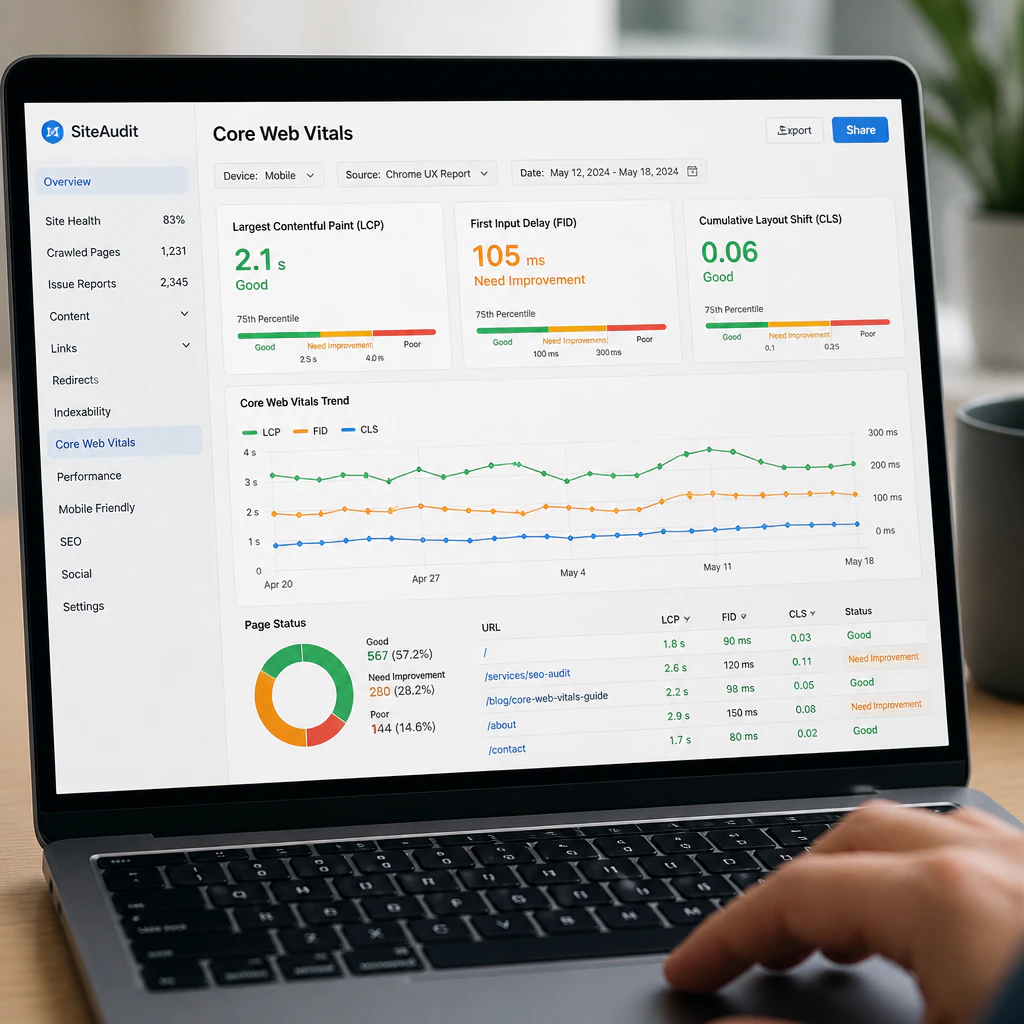
You can’t optimize what you can’t measure. From click-throughs to demo signups, your data has a story to tell. Great product marketing is dynamic, not static. Leverage KPIs to measure performance, try messaging, and adjust as needed.
Keep in mind: Today’s product marketing world is numbers-driven and speed-driven. Adaptability is your superpower.
Why Product Marketing Is Important (And Why It Works)
Let’s think for a moment and ask ourselves: why is product marketing important?
Because it’s the marriage of ideas and execution, it’s why someone hears about your product, understands it, sees its worth, and chooses it over all else. It’s why a product marketing initiative can take a garage-born startup and make it into a household name.
The journey of taking a product from idea to reality isn’t simply a matter of code or design—it’s a matter of connection. And marketing the product effectively is what puts it in people’s hands.
 Build Buzz With A Strategic Product Launch Plan
The product launch may be the most thrilling (and crucial) stage in the product life cycle. It is your opportunity to make a huge splash and create early product adoption, but only if executed correctly.
A product marketing team should treat the launch as a very well-produced affair. Plan with your marketing and product teams, make a clear-cut timeline, and pre-whet big product features. Imagine a multi-channel rollout through email, social media advertising, influencer advertising, and even virtual launch events to create buzz.
This is where your go-to-market strategy pays off. Highlight the sharing of a common story, create urgency, and offer incentives for early adoption. Remember, you’re not just launching a new product, you’re inviting others to an experience.
A successful launch creates momentum that fuels your entire product marketing effort. It also provides you with early information that can shape your product marketing strategy later.
Ready To Market Your Product Like A Pro?
We get it, product marketing is a lot to juggle. Between product management, sales enablement, messaging, and analytics, it’s a full-time job (or five).
That’s where we step in. Here at GOA-TECH, our product marketing experts are bilingual in the science and art of product marketing. Whether you’re looking for assistance with go-to-market strategy, launch content creation, brand marketing, or just trying to get your head around how to make your product rise above the rest, we’ve got you covered.
Let’s work together to create a successful product marketing plan that generates results and makes you proud of what you bring to market.
Call GOA-TECH today and let’s make your next big idea a reality.