Building a website that converts visitors to customers is quintessential for growing one’s business. Be it a professional website one needs to create, build a website for free, or design an online store design, everything would turn out significantly better if approached correctly. There is a misconception that creating a website requires extensive coding knowledge; this isn’t so. You can build a website within minutes using builders like Wix, Squarespace, or Shopify. With the right website platform and customizable templates, you can design a fully functional website tailored to your business goals.
This guide will help you set up your website for success in an orderly manner, from choosing a suitable website builder to optimizing your site for search engines. Whether looking to make a website for free or invest in a business website, follow these steps to quickly get started and increase your website traffic in no time.
 Step 1: Define Your Website’s Purpose and Goals
Before using the website builder, you must define the purpose of your website and align it with your business goals. Ask yourself the following questions:
- What kind of website do I need? Is it an online store, blog, portfolio, or business website?
- What are my business objectives, and how does my website complement them?
- Who is my audience, and what experience would I want them to have?
- Do I need a free website or a premium plan with advanced features?
Understanding these factors will help you make informed decisions when choosing the best website builder. If your goal is to establish an online presence quickly, consider using a free website builder that allows you to create and publish your website easily. Without prior coding knowledge, you can make a website for free using designer-made templates and a free domain on platforms like Wix’s AI website builder.
Additionally, consider what function your website is going to play. If you’re opening an online store selling products, you’ll want an eCommerce website builder that will allow you to accept payments through a payment gateway and handle inventory securely. For a business-oriented website, look for a platform offering professional website templates, SEO-friendly features, and much more. Before starting up, being clear about these will ensure your website grows with your business and serves its purpose effectively.
Step 2: Choose the Right Website Builder and Domain Name
Selecting the right website builder makes a big difference in how easy it is to create and publish your website. Some of the best website builder options include:
- Wix – A popular AI website builder that provides designer-made templates.
- Shopify – A great website platform for eCommerce websites to sell products.
- Squarespace – Ideal for professional website designs with beautiful website templates.
- WordPress – It is best to create a website from scratch and fully customize it.
If you want to choose a website builder, don’t forget to check if it provides templates for customization, a free domain, and mobile responsive designs. You can create a website without coding on a website maker like Google Sites or Wix’s AI Website and publish your site in minutes using a website maker.
Also, choose a domain name that reflects your brand and is easily remembered by customers. Check to see if your website builder offers free domains or if you need to purchase a custom domain.
Step 3: Design Your Website with Customizable Templates
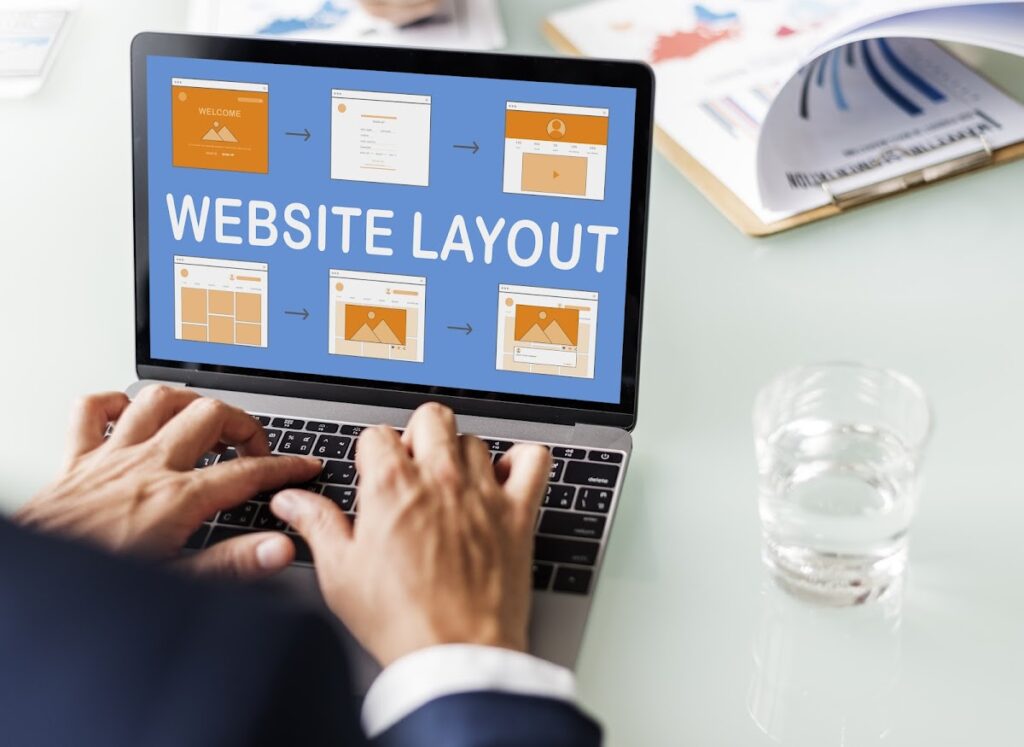
The process of designing your website is relatively easy with a website builder. The platform typically comes with templates, which help you do the following:
- Design a professional-looking website even when you don’t have the skill in web design.
- Choose a suitable website template for your industry, such as an eCommerce, blog, or one-page website.
- Drag and drop elements with ease to customize layout and features.
- Optimize for desktop and mobile devices.
Most website builders like Wix, Shopify, and Squarespace provide templates of websites for all kinds of businesses. Just find a template aligning with your brand, customize it, and modify colors, fonts, and images to make the template unique.
Step 4: Add High-Quality Content for Your Website
Creating value on the website is the biggest reason someone stays on the website and is converted into leads. Pay more attention to the following aspects:
- Compelling Headlines – Hit the attention of visitors right away.
- Compelling Visuals – Market your brand by using high-resolution images and video content.
- Engaging Copy – Convey the value and guide users to take action.
- Testimonials – Provide your customers’ testimonials to give a business more credibility and build trust.
Organize your content into clear sections to allow ease in website navigation. Ensure that every website page has the business’s vital information, such as contact details, product descriptions, and an About Us page.
Step 5: Optimize Your Website for Search Engines
Drive more visitors to your website by optimizing it for Google and other search engines. Most website builders, such as Wix and WordPress, have built-in SEO tools to help you rank better. Here’s how to optimize your site:
- Use keywords like “website builder,” “create a website,” and “make your website.”
- Write clear meta titles and descriptions that accurately represent your content.
- Structure content with proper headings (H1, H2, H3) to improve readability and SEO.
- Optimize images using alt text and compressed file sizes for faster loading speeds.
- Improve overall page speed and ensure mobile responsiveness to enhance user experience.
- Create and publish blog content regularly to increase website traffic and establish authority in your niche.
- Use Internal linking to guide users to relevant pages and improve navigation.
- Ensure your website is appropriately indexed by submitting a sitemap to Google Search Console.
A responsive website that can give ease to both desktop and mobile may be considered for top ranking, giving more visitors. Follow these SEO best practices, improve website traffic, increase visibility in search engines, and drive more conversions.
Step 6: Integrate Essential Website Features
Your website will require essential features to enhance its smooth working and user experience. A good website should include:
- Live chat support – Interact with visitors in real time and immediately support them. Email opt-in forms – Email opt-in forms to capture leads for subscription and business growth.
- Analytics tools – Analytics tools track visitors’ behavior and traffic sources and measure engagement to improve performance.
- Secure payment gateway – Ensure that an e-commerce website has an easy transaction without hassle and will protect customer information.
- Social media integration – Connect to your brand and share information through social media platforms.
- Contact forms – Make it easy for the visitors to contact you with any questions or service requests.
A website builder like Wix, Shopify, and Squarespace goes a step ahead in providing integrated website features; you can also use these websites to build simple websites, e-commerce websites, and online store websites. Done right, using the right tools- your website flows seamlessly and maximizes user experiences to improve Conversions.
Step 7: Focus on Conversion Rate Optimization (CRO)
A successful website isn’t about having visitors but converting them into customers. Increase your conversion rate with:
- A/B testing – Test different headlines, images, and layouts to see what works best with users.
- Simplify the checkout process – Reduce steps in the buying process to prevent cart abandonment.
- Strong call-to-action buttons – Compelling CTAs highlighted and encouraged visitors to act immediately.
- Personalized user experience – use behavioral targeting to show users relevant content and product recommendations.
- Trust signals – customer reviews, security badges, and guarantees- help build trust and reduce friction.
Continuously optimize these factors to ensure an ideal user journey that maximizes conversions and ensures business success.
Step 8: Launch and Promote Your Website
After your website is ready, it is time to launch and promote it. Here’s how:
- Social media marketing – Share your website on different platforms and get social with the audience.
- Email marketing – Sending customized emails to subscribers for launching.
- Paid advertising – Use targeted campaigning through Google Ads or social media advertising to increase visibility.
- Influencer partnerships – Partner with them to build broader reach and credibility in your industry.
- Content marketing – Writing blog posts, videos, or guides on anything that interests probable customers and brings them on board.
 Step 9: Monitor and Improve Website Performance
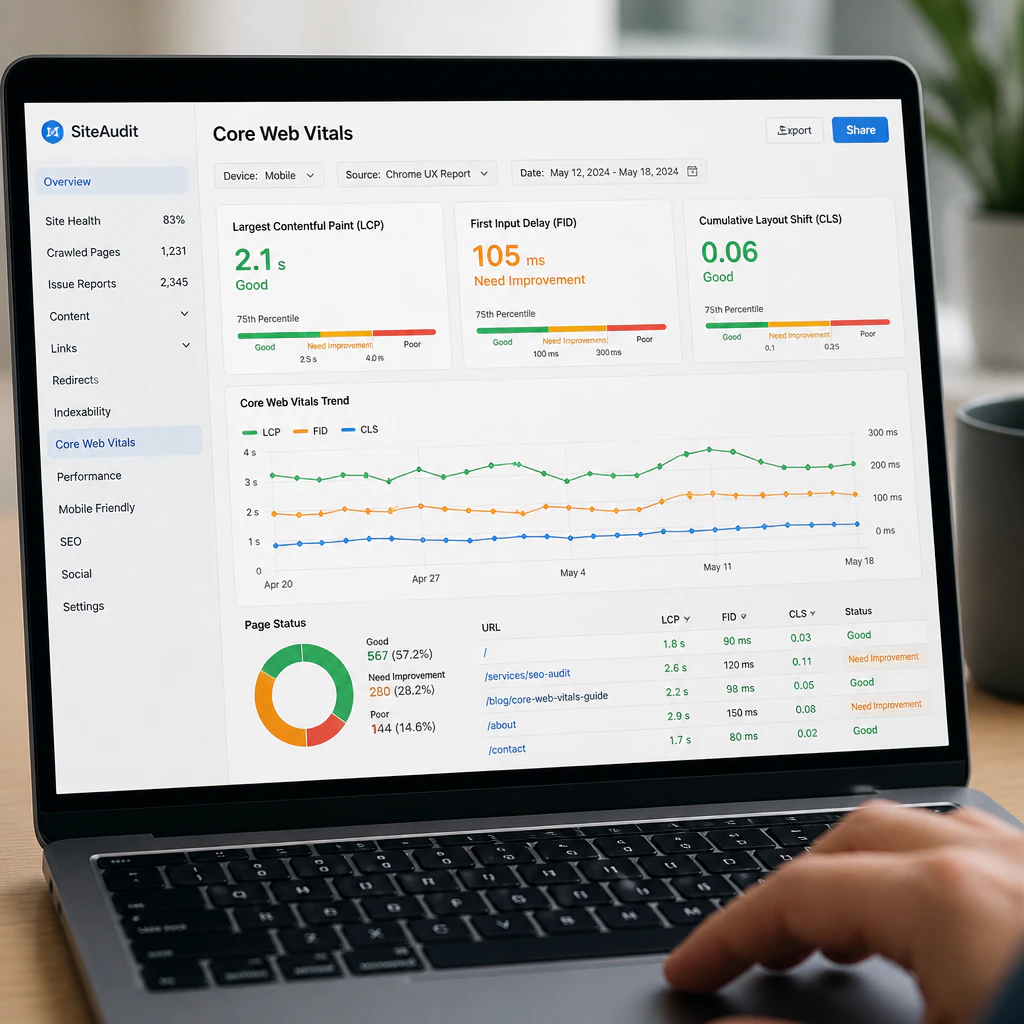
After launching, continuously monitor your site’s performance using analytics tools to understand how visitors interact with your website. Key metrics to track include:
- Website traffic – Measure how many visitors your site receives and where they come from.
- Bounce rate – Identify pages where visitors leave quickly and make improvements to keep them engaged.
- Conversion rate – Number of sales, sign-ups, and other meaningful actions representing success.
- Page load speed – The page load speed should be fast; the longer it takes, the higher the bounce rate.
- User behavior – Understand how users navigate your site using heatmaps and session recordings.
Use insights from these analytics for data-driven improvements, refine your content strategy, and improve user experience. Keeping it updated regularly will maintain competitiveness and support the growth of your business.
Creating a successful website does not have to be complicated. The right website builder, customizable templates, and strategic optimization will help you develop an excellent website. This approach will let a website effectively bring in visitors and convert them into customers. Be it a free website builder or investing in a paid premium plan, the steps mentioned above will drive business growth anyway. Begin building your website right now and see your online appearance thrive.