So you’ve launched your website, filled it with content, maybe even hired someone to “do your SEO”, but you’re still buried on page 3 of Google. Sound familiar?
We get it. It’s frustrating when your website doesn’t rank, especially after all the time and money you’ve put into it. But here’s the hard truth – most SEO efforts fall flat because they’re either outdated, half-baked, or trying to game the system.
At GOA-TECH, we have helped numerous companies optimize SEO and achieve real growth through customized strategies based on Google SEO best practices.
If you’re struggling to rank your website, there’s a reason, and often more than one. This comprehensive guide will explain why your search engine optimization (SEO) efforts might fall short and how to realign them with Google’s powerful tools and insights.
 1. You’re Not Aligned with Google’s SEO Ecosystem
Here’s the deal, SEO isn’t just about keywords and backlinks anymore. Google’s ranking system now revolves around a whole ecosystem: user intent, structured data, E-E-A-T (Experience, Expertise, Authoritativeness, Trust), Core Web Vitals, and yes, even AI.
If your site isn’t playing nice with the full Google ecosystem, you’re not just behind the curve, you’re not even on the field.
You might have a well-written blog post, but if it’s missing structured data (schema markup), Google can’t display it as a rich snippet. Or maybe your content sounds good to humans but doesn’t show E-E-A-T signals, like who wrote it, why they’re credible, and when it was last updated.
Want me to blend this into the full blog post or expand it into a separate article on mastering the Google SEO ecosystem?
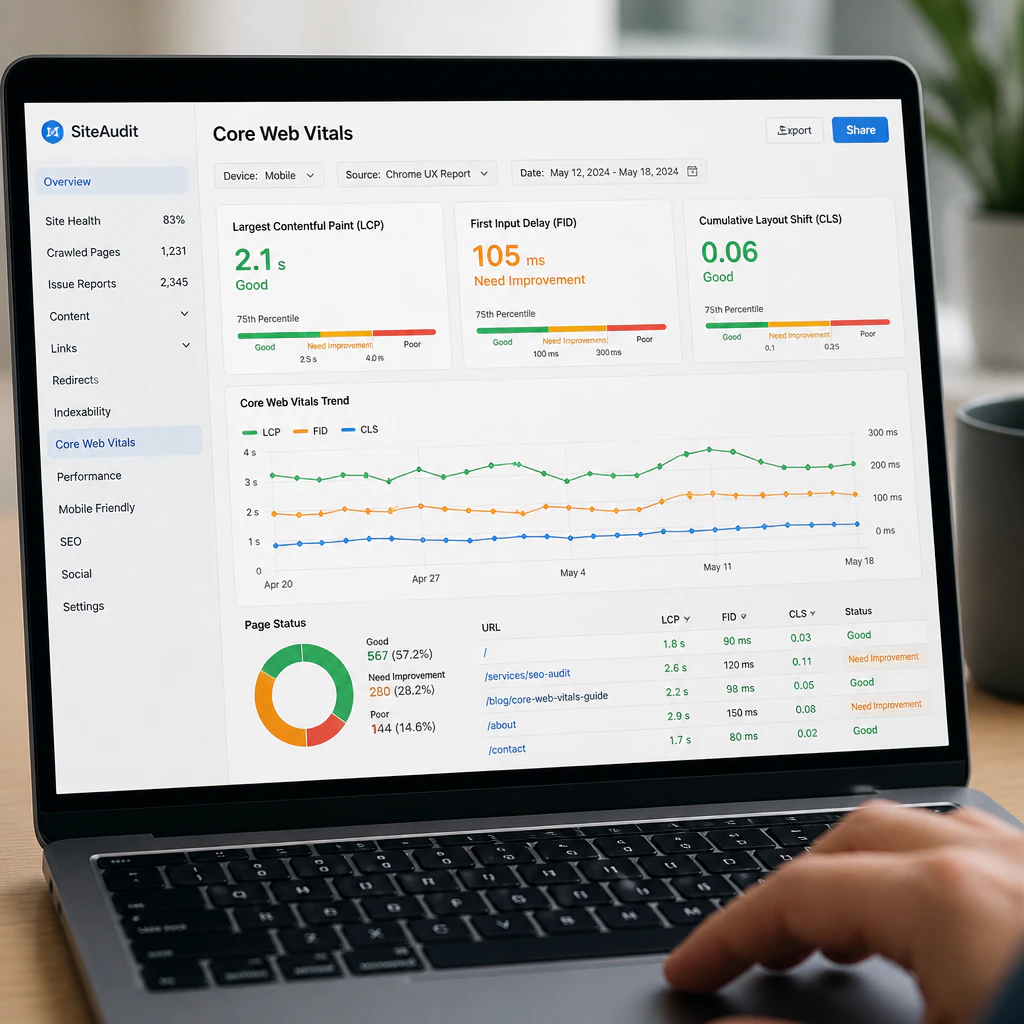
Google’s entire system (Google Search Central, Google for Developers, Google Search Console, and Google Analytics) is meant to help search engines understand your content and users find your site. If you’re not utilizing them, your strategy is already impeded.
- Google Search Console enables you to monitor performance, index coverage, and crawl errors.
- Google Analytics offers deep insights into audience behavior.
- Google Search Central and the SEO Starter Guide provide step-by-step instructions directly from Google.
Pro Tip: Sitemapping and robots.txt to guide Google’s crawler are simple technical SEO steps that make it simple for search engines to locate your content.
2. You Haven’t Done the Technical SEO Fundamentals
You may write fantastic content, but without good technical SEO, your website’s visibility will struggle.
Technical SEO is about making your site’s architecture crawlable and indexable by search engines to enable your web pages to be easily accessed. This includes:
- Fast load time (page speed is a ranking signal Google emphasizes)
- Well-organized URL structure and subdirectories
- Mobile responsiveness
- Using canonical tags to avoid duplicate content
- Utilizing structured data (schema) to enhance your SERP listing’s appeal
Bonus: Make sure your canonicalization plan is solid. Misuse of the canonical tag can lead to indexing issues and lower visibility in search.
3. You’re Targeting the Wrong Keywords
Let’s say you own a Miami-based roofing company, and your homepage is optimized for “roofing services.” That’s great, but so is every other roofer in Florida. You’re competing with national directories, bigger companies, and ads.
Fix it — Focus on long-tail keywords like “emergency roof repair in Brickell” or “affordable tile roofing Miami.” These terms have lower competition and are more aligned with how real people search.
Pro tip — Use tools like Google’s Keyword Planner or Ubersuggest to find what your customers are actually searching.
Use these tools:
- Google Keyword Planner
- SEMrush
- Google Search Console’s queries report
And don’t forget to add keywords to:
- Page titles
- Meta descriptions
- URL
- Anchor text (also referred to as link text when linking internally or externally)
Never forget this, You’re trying to help users and search engines with your content and how it ranks on Google.
At GOA-TECH, our focus is on discovering long-tail keywords and user intent. SEO with Google means optimizing your pages for searches that reflect what people seek, especially on mobile and voice search.
4. You’re Missing or Misusing On-Page Elements
Your site needs to be designed for both search engines and users. Each page needs to be written for the users, so they can find what they’re looking for easily, and for the search engines, so they know what the page is about.
Here’s what that means in practice:
- Title Tags: Position your primary keyword at the beginning. Keep it engaging to get a higher CTR.
- Meta Descriptions: Brief, packed with keywords, and correctly describing the page’s content.
- Headings (H1, H2, etc.): Content structure for reading and semantics.
- Alt Text: Descriptive alt text must be added to all images for accessibility and SEO.
- Internal Links: Anchor text must be used judiciously to guide users and signal to Google your site’s structure.
On-page optimization is integral to SEO best practices and directly affects website performance in Google search results.
5. You’re Not Creating (or Generating) Backlinks
Backlinks (other sites linking to your site) are still among the strongest signals within Google’s algorithm for ranking. Your SEO will be affected if your site isn’t receiving or has low-quality backlinks.
Target link building strategies such as:
- Guest blogging on industry-specific blogs
- Submitting your site to an excellent directory
- Acquiring links via PR and coverage in the news
- Working with partnerships and affiliates
Also, ensure your site is not riddled with broken links or poor anchor text implementation, which hurts your rankings.
Think of backlinks as trust votes; Google’s algorithm sees these as markers of trustworthiness.
6. Your Content Isn’t Providing Value
Content is the core of SEO with Google, but quality, not quantity, prevails. If your stale, thin, or robotic blog posts are for search engines instead of human visitors, it’s time to course-correct.
Some things to prioritize:
- Original, well-researched responses to often asked questions
- Well-presented presentation (lists, subheadings, brief paragraphs)
- Multimedia material (videos, infographics, interactive tools)
- Localized content to enhance your local SEO strategy
Every piece of content needs to be developed so that your readers will find it easier to understand your content and solve a problem. That is what makes your content worthy of a first-page search results position.
7. Your Site Isn’t Indexed Correctly
If your pages aren’t appearing in search in any way, they may not be indexed. This can happen for any number of reasons:
- Pages are being blocked by robots.txt
- Google hasn’t located your page due to poor internal linking.
- Duplicate content or inappropriate use of canonical tags
- Missing or incorrectly submitted sitemap
Using Google Search Console’s URL inspection feature, you can test whether your pages are crawled and indexed. If not, you can request indexing manually or look for crawl errors.
Your content may not be there for Google’s search engine without being indexed.
8. You’ve Overlooked Local SEO
If you have a physical presence or are a service business, ignoring local SEO is a significant lost opportunity. You want to be found when people search for “near me” or include a location in their Google search.
Optimize your local SEO like this:
- Claim and optimize your Google Business Profile
- Maintain NAP (Name, Address, Phone) consistency in directories
- Insert location-related keywords in the content
- Encourage and respond to Google reviews
- Add a Google Map to your website
These steps considerably boost your presence in search of local SERP results and generate foot traffic or service leads.
 9. You’re Not Using Google Sites Tools to Their Full Potential
Whether it’s Google Search Console, Google Analytics, or developer tools, being unable to integrate and track your data regularly is like driving blind.
Utilize Google Analytics to:
- Track which pages get the most page views
- Track bounce rate and time on page
- Get insight into conversion paths
Utilize Google Search Console to:
- See what’s referring traffic to your site
- Monitor URLs being crawled
- Discover and fix crawling issues
- Submit new pages for crawling
Together, these allow you to make your site easier for users to access and better optimized for Google’s algorithm.
10. You’re Expecting Instant Results
One of the most common SEO myths is that results are expected overnight. However, Google SEO is a long game. The best outcome is a by-product of steady, incremental improvements and adhering to Google’s terms.
It can be weeks or months before the newest published material is indexed, backlinks kick in, or technical improvements are seen in ranks. That’s why GOA-TECH collaborates with businesses long-term to build lasting, measurable SEO success.
If your site isn’t showing up on Google, it’s not because SEO is broken, it’s because your strategy is. Most businesses fall into the trap of “set it and forget it” SEO, or they try to outsmart Google with shortcuts that no longer work.
The truth? Today’s SEO is about alignment, understanding what your audience wants, how Google delivers that content, and making sure your site fits into that bigger picture.
You don’t need gimmicks. You need strategy, consistency, and a partner who gets it.
Contact us at GOA-TECH, we help businesses like yours cut through the noise, climb the rankings, and actually get noticed online. No fluff, no jargon, just real results.
Tired of being invisible?
Let’s get you seen.