When people build a website, they usually have one goal: to get found online. The problem is, you can have a great site, and still no one will see it. You may have a great site with valuable information, but without visibility in search results, it won’t be seen. That’s where search engine optimization comes in.
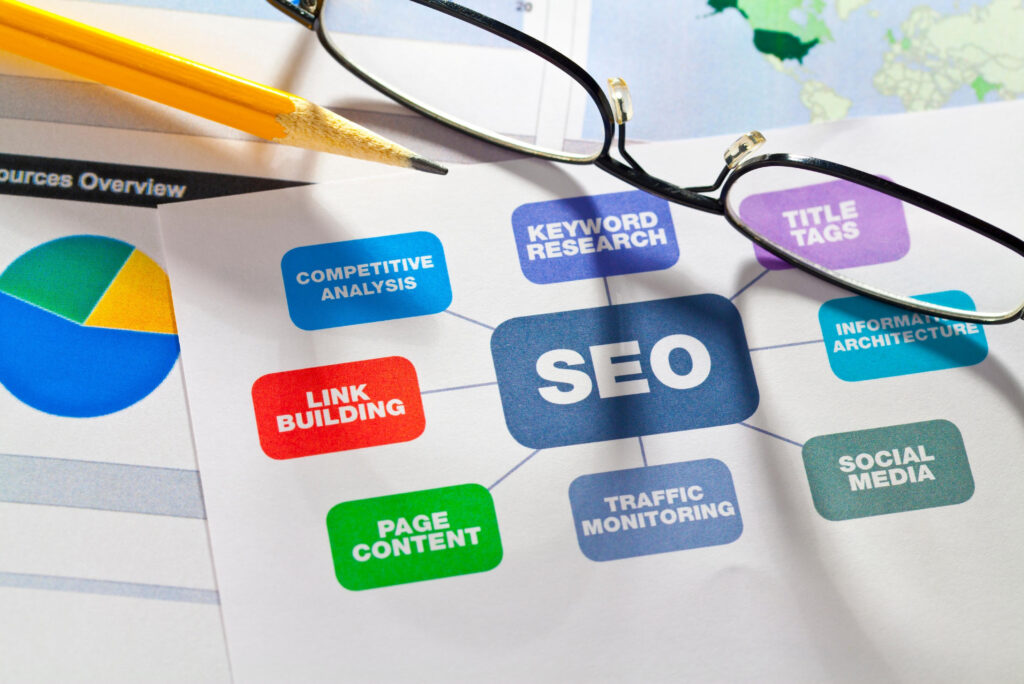
Search engine optimization (SEO) is the process of helping your rank higher in search results for specific topics. It is a combination of technical adjustments to the site, content development, and off-site signals that help search engines understand what your site is about and why it should be ranked highly when relevant searches are made. If successful, it provides a sustainable flow of traffic without the need for continued advertising.
GOA-TECH is a digital marketing agency in Miami that has been actively working in SEO, web design, and digital strategy for over 30 years. When you are at the stage where you require technical or strategy fixes, they can give you a better understanding of your site and offer practical recommendations that can have the greatest impact.
 Step 1: Understand How Search Engines Work
It helps to understand how search engines work before you begin to optimize websites.
When someone types a query, the search engine checks the indexed pages and sorts them according to some criteria, based on factors such as:
- How relevant the content is to the query.
- Credibility and trustworthiness of the site.
- Speed and performance on mobile.
- Overall user experience
All SEO decisions are based on understanding these core signals. Google and other search engines have automated programs called crawlers that scan web pages. These crawlers follow links from page to page, collect data, and store it in an index. This index is a giant database of web pages.
Step 2: Learn the Types of SEO
Search engine optimization is not a single process. It covers several aspects that work together to enhance search visibility.
- On-page SEO focuses on optimizing individual pages. This involves headings, body, in-text links, and the positioning of the keywords. This helps both search engines and users understand the content of the page.
- Technical SEO is about making sure that your website can be crawled and indexed by search engines. This involves improving your site speed, fixing mistakes, and making your pages viewable to search engine crawlers.
- Off-page SEO is concerned with authority, or the acquisition of external cues such as backlinks. This will assist the search engines in knowing that your site is valid when other sites are linking to your work.
- International SEO can be used in case you possess a business that targets several locations or languages. It assists the search engines in presenting the right version of your site to the right audience.
These combined forms of SEO will give your site more opportunities to be in the top results of search engines.
Step 3: Set Up SEO Tools That Provide Real Data
Before making any adjustments, you have to find out how your website is currently doing. These tools provide the data you need to make informed decisions.
1. Google Search Console
This is one of the most useful tools you can get access to. It shows how your website appears in Google search results, what pages are included in the search engine index, and what search queries drive traffic to your site. It also points out technical SEO problems.
2. Analytics Platform
It helps track users’ behavior. It shows how people interact with your website, what pages they view, and whether they perform some actions.
3. Keyword Research Tools
They help you figure out what keywords people type when searching online. These tools indicate the number of searches there are, keyword competitiveness, and other related search queries, so you can make decisions based on data instead of guesswork.
Step 4: Conduct a Technical SEO Audit
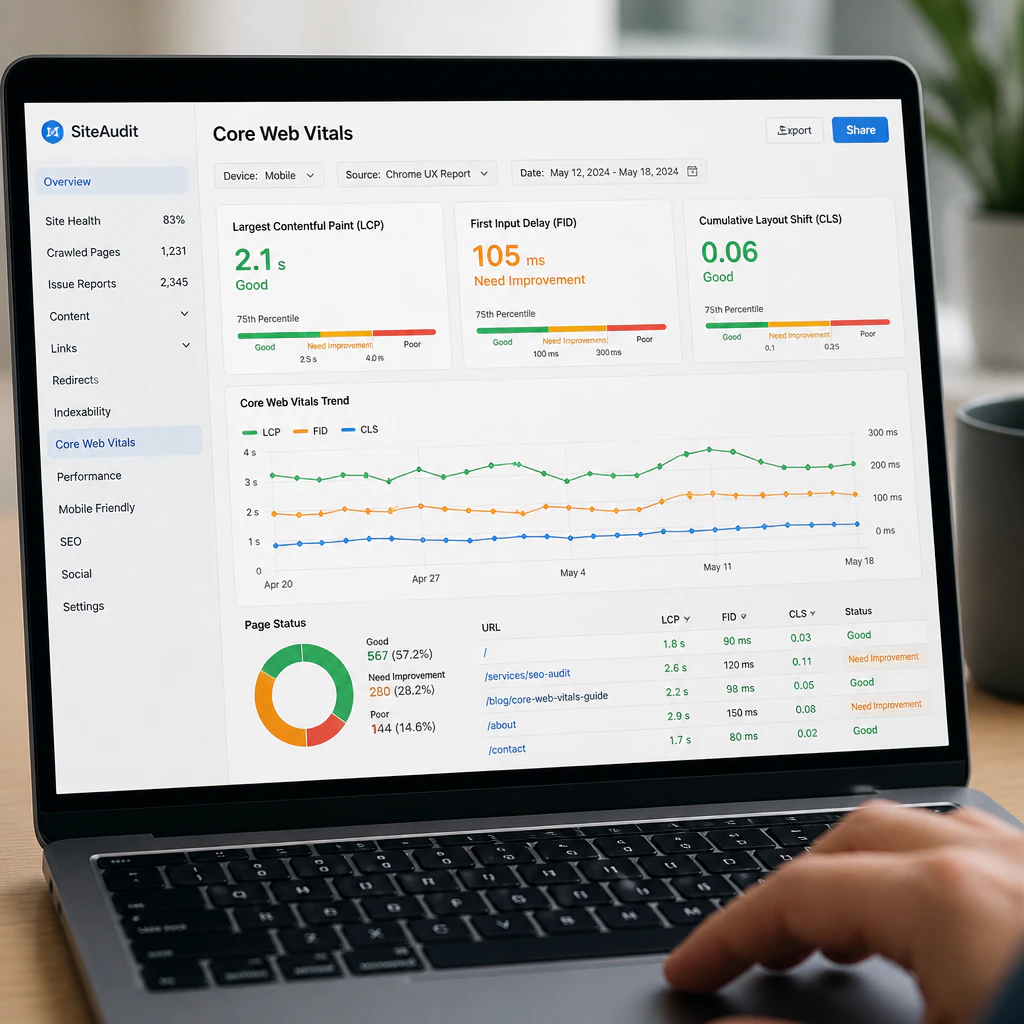
With your SEO tool set up, your next move is to examine the technical foundation of your site. Technical SEO is essential, as it plays a huge part in how search engines interact with and analyze your content.
Start with crawlability. Make sure that there are no obstacles, whether from errors or faulty settings, that prevent your pages from being crawled. Without the ability to crawl your site, you won’t show up in search engines. Next is indexing. This includes making sure that key pages are included in the search engine’s index. Non-indexed pages will not be visible in search results pages.
Page speed is yet another significant element. Slow pages create a poor user experience, which can hurt your rankings. Optimizing the loading time of pages is probably the most efficient way to enhance the results from search engines.
Common SEO related issues include:
- Broken links.
- Duplicate content.
- Inappropriate URL structure.
- Lack of metadata.
Solving these problems is important as they help to increase SEO performance by ensuring that search engines are able to analyze your website. Mobile usability is equally important, considering that many searches on the internet are done using mobiles.
Step 5: Build Content Around Search Intent
Content is one of the most important parts of successful SEO. However, not all content is created equal. The important thing is matching the content with search intent.
Search intent is what a user is trying to accomplish when they type in a search query. The common types of search intent include:
- Informational searches.
- Navigational searches.
- Commercial comparisons.
- Transactional actions.
To be higher in search results, your content must be related to the purpose of the search. For instance, when a user is looking for information, they do not want a sales page but a description that will be clear and useful.
Good SEO strategies are based on content creation that answers real questions. This improves the user experience and makes search engines understand the value of your pages.
The best practice also includes updating the existing content. To maintain pages in the search results and to contribute to the long-term organic search traffic, it can be helpful to refresh the old pages with new information.
Step 6: Improve Authority with Off-Page SEO
Even optimized content will not perform without authority. Off-page SEO helps build that authority. Among the ranking factors, one of the most significant factors is called backlinks. Reputable websites linking your content signal to search engines like Google that your site is trustworthy.
Good off-page SEO involves:
- Producing shareable quality content.
- Getting links on resourceful sites.
- Participating in industry discussions.
- Establishing contacts with other publishers.
One should not take shortcuts. Poor-quality links may be detrimental to the SEO of your site and decrease search visibility.
Businesses with a local focus should also invest in local SEO. Reviews, listings, and citations are useful in enhancing local visibility.
Step 7: Monitor SEO Performance and Adjust
SEO is a continuous process. Search engines are constantly evolving, and your competitors are also upgrading their websites. Regular monitoring helps you stay competitive.
Monitor the search queries, impressions, and indexing status with Google Search Console. Find trends in your organic search traffic and identify areas that need improvement.
Monitor the performance of your pages in search results. In case a page ranks but is not getting any clicks, then it might be necessary to improve the title or description.
Establish the objectives of your SEO. Regardless of whether you are interested in traffic, leads, or sales, gauging your results will make sure that your SEO activity is contributing to actual business performance.
 Step 8: Apply SEO Best Practices Consistently
SEO success comes from consistent effort. Following best practices helps maintain steady growth in search rankings.
Focus on:
- Creating useful, well-structured content
- Improving site speed and usability
- Building strong internal links
- Keeping your site updated
SEO has evolved significantly over time. With developments in AI-driven search and generative search, search engines now evaluate content in more advanced ways. Still, the core principle remains the same. Help users find what they need, and help search engines understand your content clearly.
Putting It All Together
SEO for website growth is not a one-time task. It is a structured process that combines technical improvements, content development, and authority building.
When done correctly, SEO helps your site appear in search results, attract organic search traffic, and support long-term business goals. Each step builds on the previous one, creating a system that improves visibility over time.
If your goal is to rank higher in search results and turn your website into a reliable source of traffic, working with an experienced team can make a measurable difference.