If your company invests in digital marketing, you already know that publishing content isn’t enough to guarantee results. Many websites create articles, guides, and landing pages on a regular basis, but they still struggle to appear in search results or generate meaningful traffic.
The difference often comes down to how well content strategy and SEO work together. When content is aligned with search intent, it is easier for search engines to understand your web pages and connect them to users who are actively seeking information.
Research highlights how important search behavior has become. According to the Pew Research Center, about 91% of adults in the United States use the internet regularly to find information. This means millions of search queries happen every day, each representing a specific need or question.
For businesses that work with experienced digital marketing teams such as GOA-TECH, the goal isn’t simply to publish more content. The aim is to develop a content marketing strategy where each piece of content is optimized for search engines, is aligned with search intent, and tailored to reach the right audience.
 1. Start With a Clear SEO Content Strategy
Every successful website starts with a clear SEO content strategy. Without a clear strategy behind content planning, businesses tend to publish blog posts or create pages without a proper purpose.
This type of content, with no strategy, results in poor visibility in the search results and inconsistent traffic.
A strong content strategy starts by identifying your SEO goals. These may include getting more organic traffic, getting better rankings in the search engine results page, or getting qualified leads through your website.
Once those goals are clear, you can start creating a map of topics and content ideas around search behavior.
An effective strategy typically includes:
- Identifying keywords and search volume trends
- Understanding the questions your audience is asking
- Planning content around those topics
- Making sure that each piece of content supports a broader SEO plan
When you produce content with this structure in mind, the strategy behind your content will be clear.
GOA-TECH’s team assists businesses in building structured content planning systems so that all new content relates to broader SEO strategies.
2. Understand Search Intent Before You Create Content
One of the most important steps in aligning SEO and content is understanding search intent.
Search intent is the reason someone performs a search. If your content does not match that intent, even good content may find it difficult to rank in search engine results.
Most search queries fall into a number of categories:
- Informational searches – Users want answers or explanations
- Navigational searches – Users are looking for a specific website
- Transactional searches – Users are preparing to buy something
When writing SEO content, you want to match the intention of the query.
For instance, if a person is looking for “content strategy and search engine optimization (SEO) guide”, they probably want informational content that will explain how strategy and optimization work hand in hand. If the page, instead, attempts to sell a service immediately, it may not do well in search results.
Understanding search intent helps search engines interpret your content and will increase the likelihood that your page will show up in relevant search results.
3. Use Content Planning to Organize Topics Around Search Queries
Once you understand search intent, the next step is content planning.
Content planning ensures your website focuses on meaningful topics rather than random articles. Rather than publishing isolated posts, businesses should group their content into related clusters. This approach helps search engines understand how pages relate to each other and makes your content more relevant.
For example, a company that specializes in digital marketing might develop a topic cluster on the subject of search engine optimization.
That cluster could contain such content as:
- Beginner’s guide to SEO strategies
- Articles about on-page SEO
- Resources relating to technical SEO
- Guides for optimizing content for search engines
- Content Performance Measurement Insights
By structuring your content around a specific theme, you make it easier for search engines to find and index your content.
Content planning can also be used to improve internal linking and provide a better experience for visitors trying to find useful content on your site.
4. Create Quality Content That Matches Search Results
Search engines favor quality content that gives a direct answer to the user’s questions. This means that writing content for search engines isn’t about repetition of keywords. It’s about how you create relevant content that meets what people are looking for.
Good quality SEO content usually contains:
- Clear explanations of the search query
- Engaging content to keep readers interested
- Tips that are useful and give real value
- Logical structure that enhances readability
When writing content, it helps to review the current search engine results page for your target keyword.
Ask yourself:
- What type of content ranks highest?
- Are the top results guides, tutorials, or opinion pieces?
- How detailed is the content?
These observations are helpful to create optimized content based on the expectations of search engines and users.
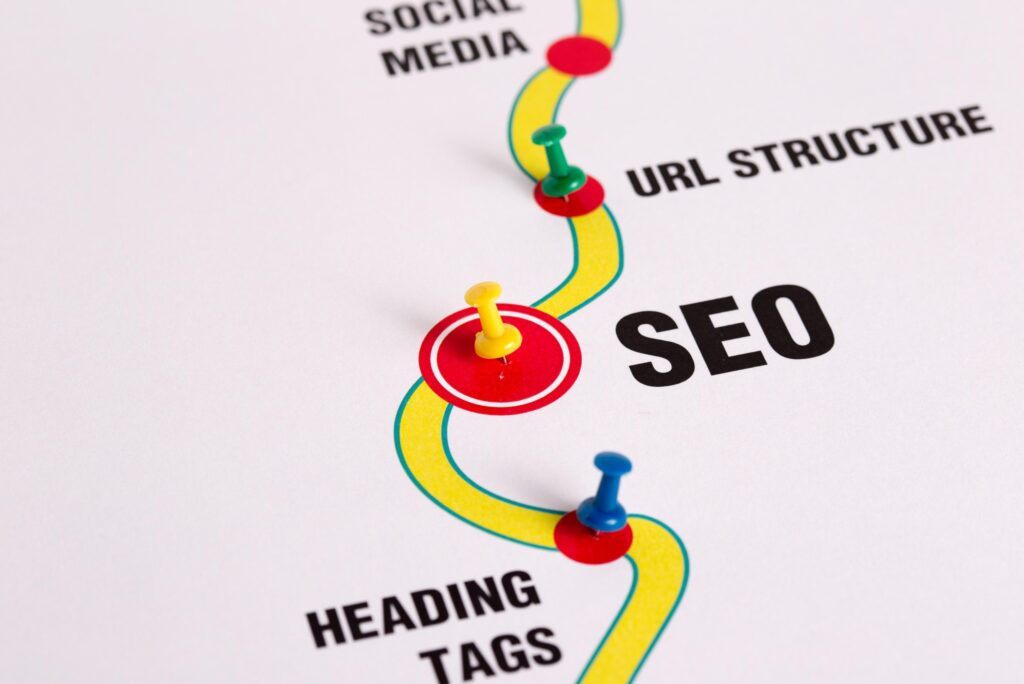
5. Balance On-Page SEO and Technical SEO
Even the best content may not be able to perform if the website itself has technical issues.
That is why technical SEO and on-page SEO have an important role in any SEO content marketing strategy.
On-page SEO works on enhancing individual pages’ communication with search engines.
Important elements include:
- Proper heading structure
- Internal linking between related content
- Clear keyword usage
- Optimized titles and meta descriptions
Technical SEO is the part concerned with the performance and accessibility of the website. Some common technical factors are:
- Page speed
- Mobile responsiveness
- Website structure
- Crawlability for search engines
Using tools such as Google Search Console can assist in identifying any potential issues with the SEO and how search engines interpret your pages.
When technical optimization goes hand in hand with great writing, it is easier to optimize your content for search engines.
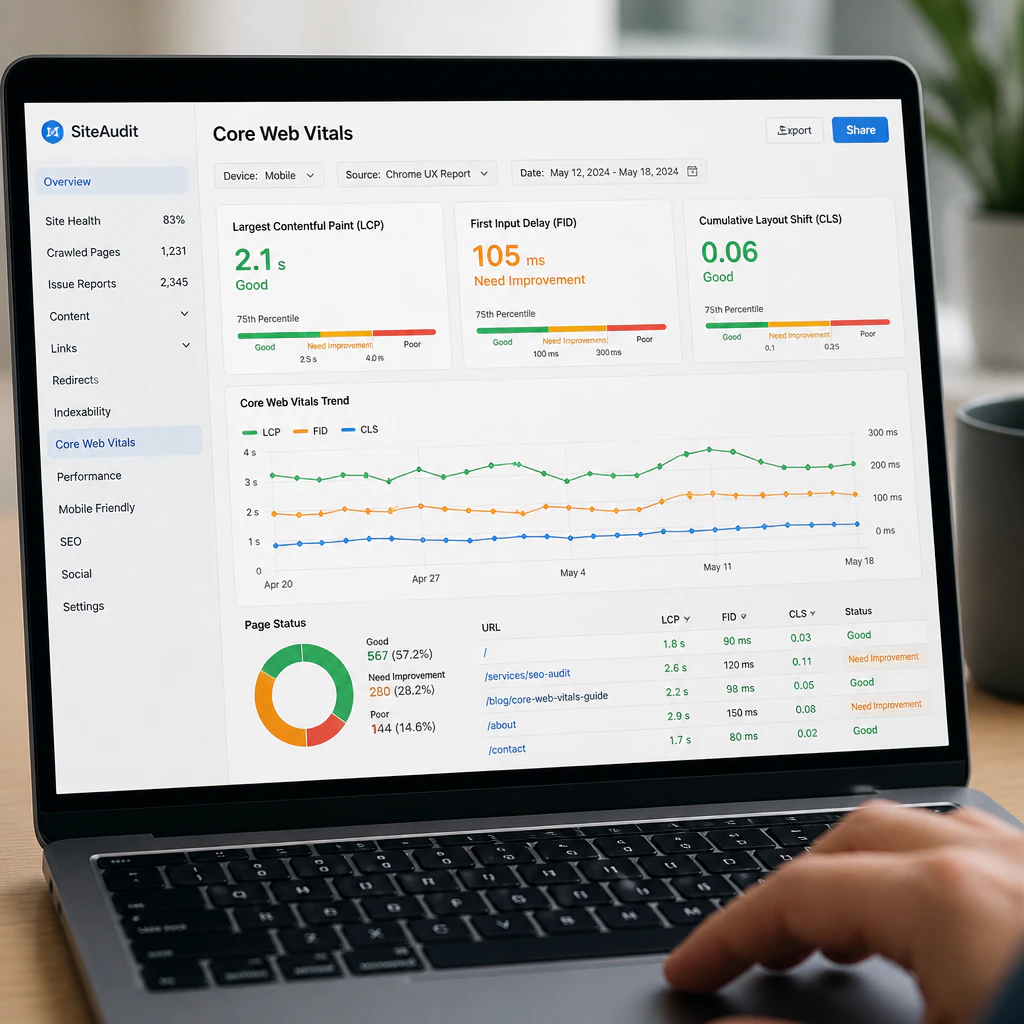
6. Track Content Performance and Improve Over Time
Content creation is only the beginning of the process. To create a successful content marketing strategy, businesses must monitor and optimize their content over time.
Monitoring content performance helps identify which topics attract traffic and which pages need improvement.
Key metrics often include:
- Organic search traffic
- Keyword rankings
- Click-through rate in search results
- Engagement and time on page
These insights help marketers to enhance their content step by step. For example, you may find page ranks for several related search queries. Expanding the article with additional sections can improve its quality and ranking potential.
Successful companies consider content a long-term asset, not a one-time project. By continually improving the performance of your content, you boost your overall SEO strategy.
Building a Sustainable Content Marketing Strategy
A successful content marketing strategy is developed with consistency, planning, and improvement.
Businesses that align SEO with search intent produce content that is both discoverable and truly valuable. Over time, this approach helps search engines recognize your expertise and link your website to the right audiences.
When content is created without a strategy, it often performs poorly in organic search. But when businesses plan their content carefully and focus on producing content that is useful and matches search behavior, the results get better and better.
This shift requires thinking of content as a long-term investment and not a short-term marketing tactic.
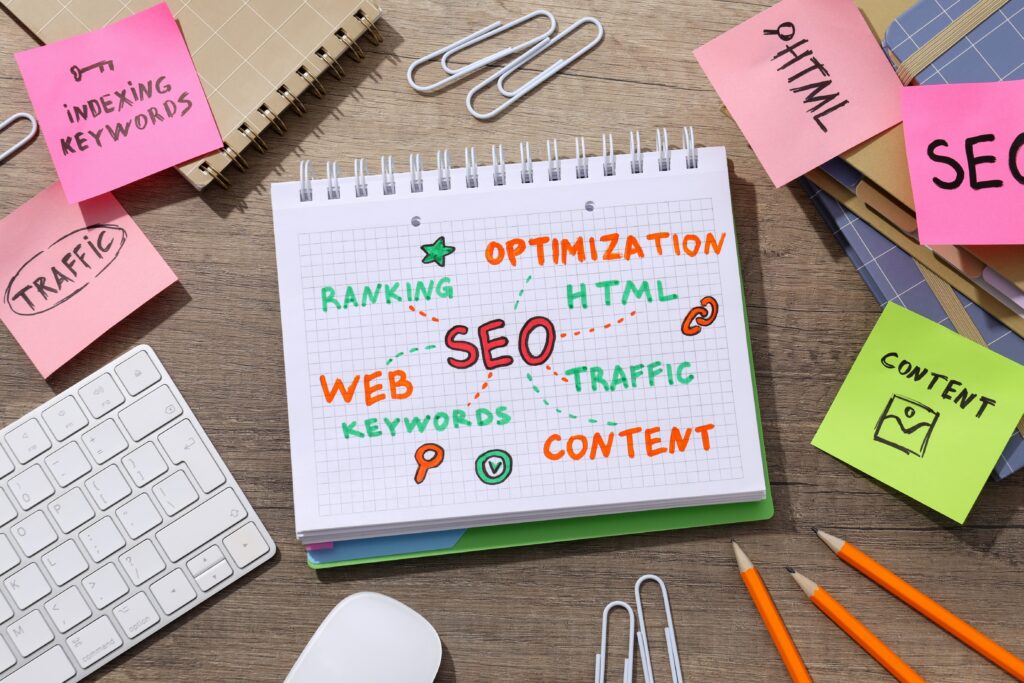 Aligning Content Strategy and SEO for Long-Term Visibility
When content strategy works alongside SEO, businesses can target potential customers right when they need particular information. Instead of generating content on a random basis, companies create structured systems for planning content, optimizing search, and tracking performance.
For businesses that want expert advice or are looking to optimally plan their content marketing strategy, working with experienced digital marketing professionals like Goa-Tech can help businesses turn their scattered content efforts into a cohesive SEO content marketing strategy.
By aligning content with search intent and continually optimizing the performance of your content, businesses can establish long-term visibility in the search results and create sustainable growth through search.
When strategy, optimization, and high-quality content combine, your website is more easily discoverable, and your content finally reaches the audience that it was meant to help.